By Vicky Lalwani · Updated 17 November 2026
How do trade buyers find manufacturers in Australia?
Trade buyers find manufacturers by searching for the exact thing they need, comparing specifications, certifications and lead times across a shortlist, then sending requests for quote to two or three suppliers. The first search is rarely your brand name. It is a material, a process, a part type or a capability with a tolerance or a standard attached.
Picture the buying group for one order. A design engineer in Dandenong searches "laser cutting stainless 6mm" and downloads two datasheets. A procurement officer in Wetherill Park checks which of those suppliers lists ISO 9001 and a lead time. An operations manager in Welshpool asks whether you can hold stock for a call-off order. Each person looks at a different part of your website, often weeks apart, and the order only happens if all three are satisfied.
The details change by sector. A brick or precast maker sells to builders, merchants and the architects who specify products, so it needs range pages, technical data and samples on request. A food or contract manufacturer is judged on certifications, minimum order quantities and capacity. An industrial equipment maker sells through distributors as well as direct, so its site has to serve end users without undercutting the dealers. The marketing plan follows the buyers, not a template.
Which marketing channels work for Australian manufacturers?
The channels that most often bring Australian manufacturers qualified enquiries are Google Search on product and capability terms, SEO pages that carry real specifications, LinkedIn for the people who approve suppliers, and the offline channels that still matter in industry: distributors, trade shows and major project registers. Each one suits a different stage and needs its own measure of success.
| Channel | Best for | What I measure |
|---|---|---|
| Google Search (PPC) | Engineers and buyers searching a product, part, material or process right now | Cost per qualified request for quote |
| SEO | Capability, product and industry pages that keep bringing searches without a click cost | Organic quote requests and datasheet downloads |
| Procurement, engineering and operations people at named target companies | Engagement from target accounts, then quotes | |
| Remarketing and video | Staying in front of buyers during a long decision, with plant tours and case studies | Return visits and assisted quotes |
| Distributors and trade shows | Relationships, demonstrations and repeat orders | Leads logged against a source code in the CRM |
| Major project registers such as ICN Gateway | Expressing interest in work packages on large Australian projects | Expressions of interest and shortlists |
Most manufacturers I would advise start with Search, because the demand already exists and each click is someone looking for what you make. SEO builds underneath it, LinkedIn is added for the accounts worth winning, and the offline channels are tracked so you can see how they combine. Consumer product brands that sell online are a different job, covered on e-commerce marketing in Australia.
How should Google Ads be set up for a manufacturer?
Google Ads for a manufacturer should be built around capabilities and products, not the company name, with tight keyword groups, a long list of negative keywords from day one and every click sent to a page with specifications and a quote form. Industrial searches are low in volume but high in value, so wasted clicks hurt more than in consumer accounts.
- Keywords by capability. One ad group per process, material or product family, for example "powder coating", "CNC machining aluminium" or "face bricks", with the city or state added where you deliver.
- Negative keywords. Jobs, careers, salary, apprenticeship, course, how to, DIY, free, second hand and hobby searches are excluded before launch, then the search terms report is reviewed weekly.
- Locations and hours. Target where you can deliver and service, schedule ads to business hours in your buyers' time zone (Perth is two hours behind Sydney, three during daylight saving), and switch off Display expansion on Search campaigns.
- Conversions. The primary action is a request for quote, plus calls longer than a set duration. Datasheet downloads count as secondary signals, not as leads.
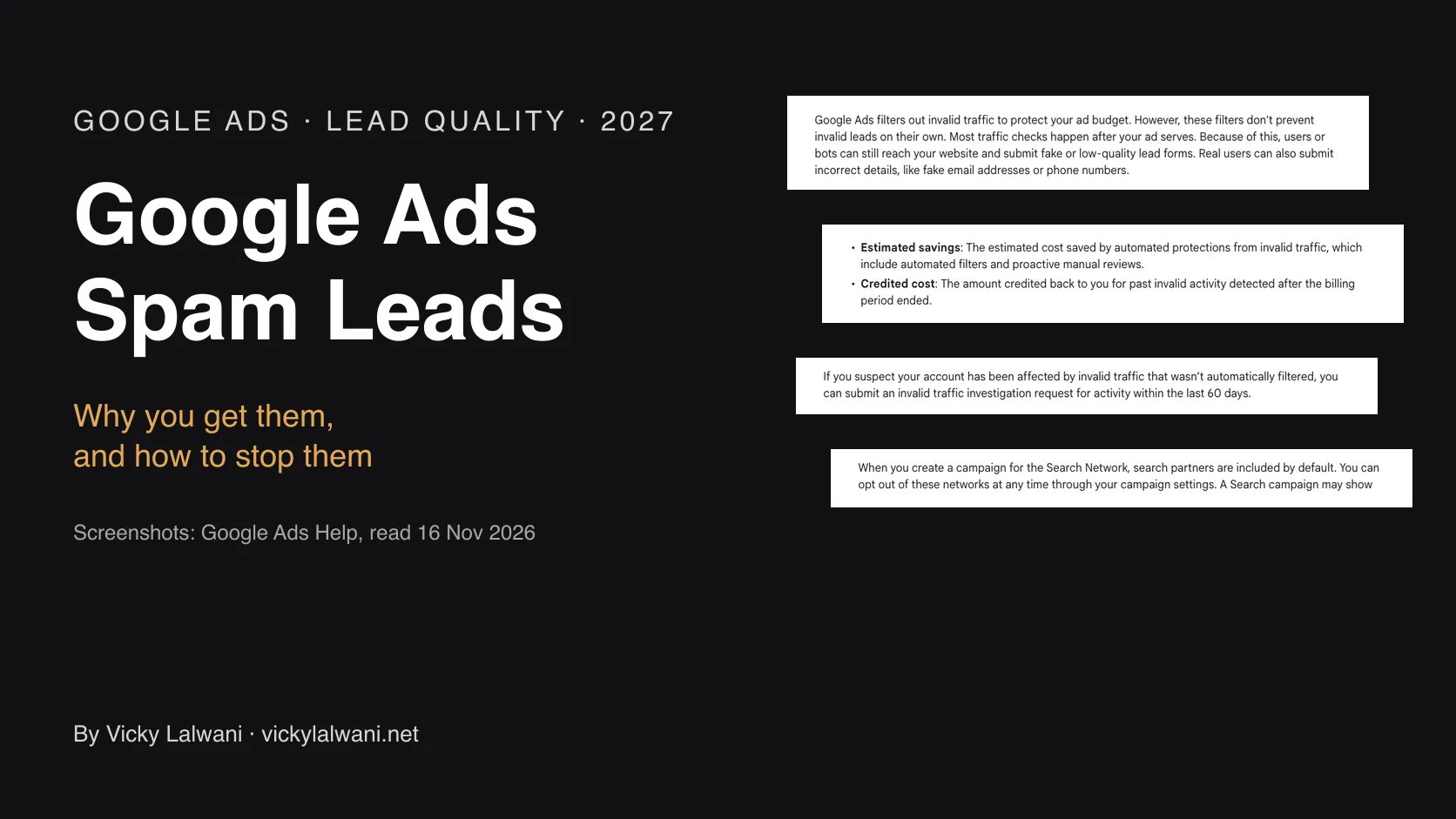
- Spam control. Industrial forms attract bots and sellers. Validation, hidden fields and CRM checks keep junk leads out of the bidding, explained in why Google Ads brings spam leads.
For a full account build, the approach on Google Ads in Australia applies; this page covers what changes for manufacturing.
How do you track a long B2B sales cycle in Google Ads?
You track a long B2B sales cycle by saving the Google click ID with each quote request in your CRM, then sending the later stages (qualified quote, quote sent, order won with its value) back to Google Ads as offline conversions. Without that, the account optimises for form fills, and a spam form counts the same as a $200,000 order.
There is a timing limit to plan around. Google Ads conversion windows run from 1 to 90 days (Google Ads Help, conversion windows), and conversions uploaded against a click ID must arrive within 90 days of the click (Google Ads Help, offline conversion imports). Many industrial orders take longer than that. So I usually make the qualified quote the primary conversion, because it happens within weeks, and send won orders with their value as a secondary signal for reporting and value rules.

| Stage | Where it lives | Use in Google Ads |
|---|---|---|
| Request for quote | Website form or tracked call | Captured with click ID; not the bidding target on its own |
| Qualified quote | CRM, set by sales within days | Primary conversion, usually inside the 90-day limit |
| Quote sent | CRM or quoting system | Secondary, with an estimated value |
| Order won | CRM or ERP | Secondary, with the real value, for reporting and value-based bidding where volume allows |
The event map behind this is set out in conversion tracking setup with an event map, and the usual faults are in Google Ads not tracking conversions.
Is LinkedIn advertising worth it for manufacturers?
LinkedIn advertising is worth it for manufacturers when one new customer is worth a lot over several years and you can name the companies you want. It lets you target by company name, industry, job function, seniority and skills (LinkedIn Marketing Solutions Help), so a capability statement or plant tour video reaches procurement and engineering teams at the 50 or 200 companies on your list rather than everyone in the sector.
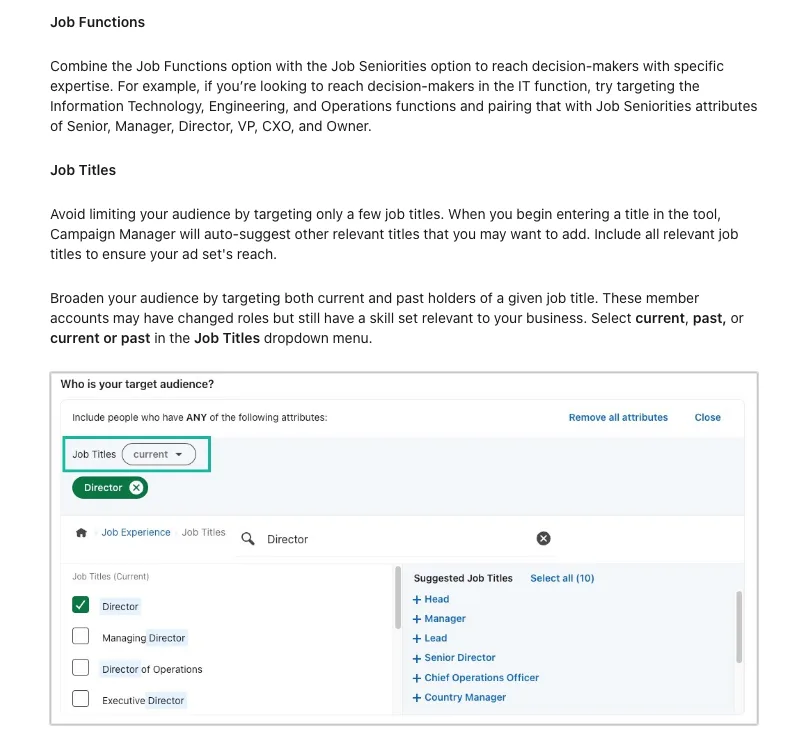
Clicks cost more than on Google, and most people who see a LinkedIn ad are not in a buying cycle that week. I judge it on engagement from target accounts first and quotes from those accounts over the following months, not on cost per click. Posts from the managing director or a senior engineer often do as much as paid ads in a small industry where buyers know each other. In my current in-house role I turned a founder's LinkedIn from 550 to about 9,000 followers and made it an inbound channel; the B2B approach is on B2B marketing in Australia.
What should a manufacturer's website have for SEO?
A manufacturer's website needs a page for each capability, product family and industry served, with specifications written into the page, not only in PDFs, so that Google and AI answers can read them. Most industrial sites hide their best information in brochures and datasheets that search engines rank poorly.
- Capability pages: the process, materials, tolerances, sizes, finishes and standards you work to, with photos of real work.
- Industry pages: mining, defence, construction, food, agriculture or whichever sectors you supply, each with relevant examples.
- Proof: certifications such as ISO 9001, test results, case studies and the equipment list buyers ask about.
- Answers from the sales team: minimum orders, lead times, freight and whether you hold stock, written as plain questions and answers.
- A quote form on every page, with file upload for drawings.
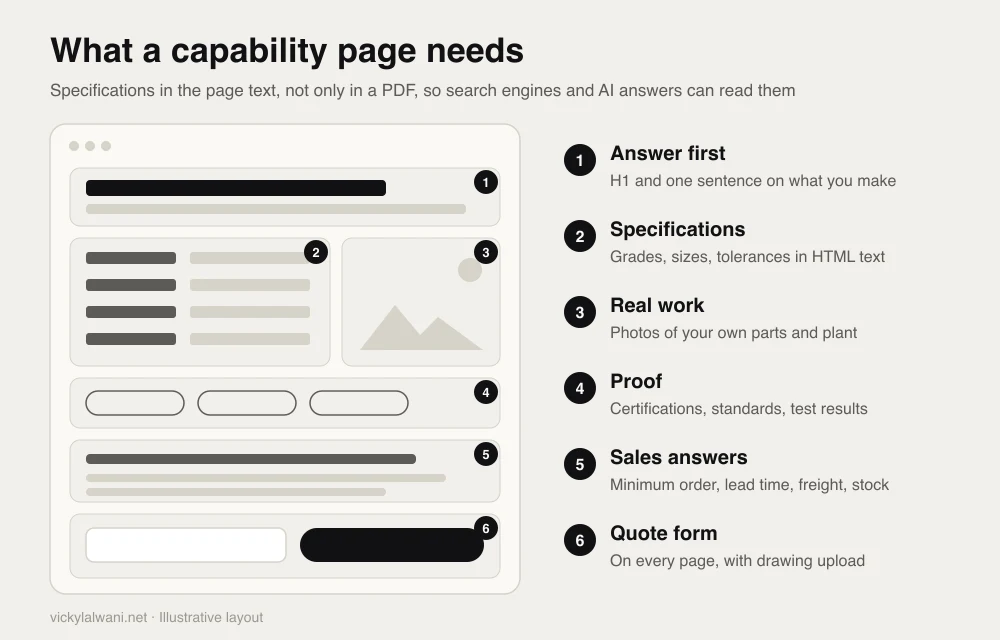
The same structure helps with AI search. Pages that answer a specific question in the first sentence, with sources and specifications in plain text, are the ones that get quoted, as covered in how to appear in Google AI Overviews. The SEO process itself is on SEO in Australia.
What can Australian manufacturers claim in ads?
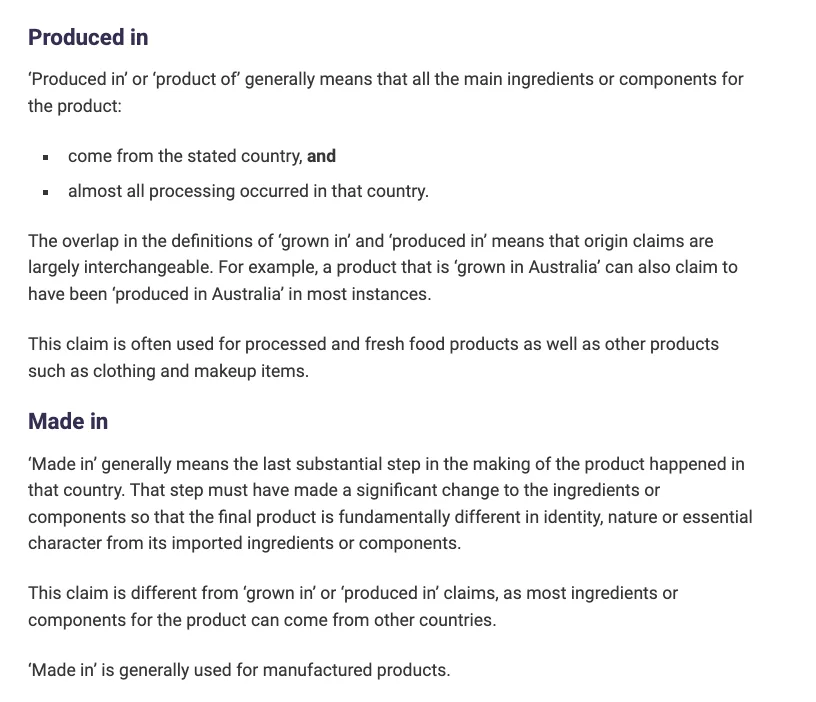
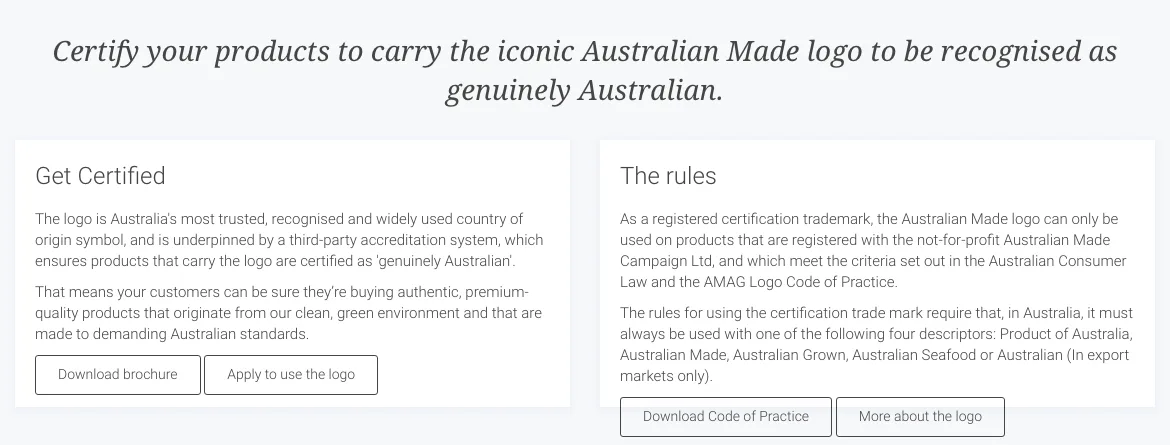
Australian manufacturers can claim anything that is true and can be backed up, and origin claims follow specific safe harbours under the Australian Consumer Law. "Made in Australia" needs the last substantial transformation to happen here, so that the product is fundamentally different in identity, nature or essential character from its imported parts. "Product of Australia" needs all the main components from Australia and almost all processing here (ACCC, country of origin claims). The Australian Made logo needs a licence (Australian Made Campaign).
The same rule covers everything else in an ad or on a product page: certifications you hold today, lead times you can meet, and performance figures you can prove. I check these before launch, because a claim that is fine in a brochure becomes a problem when it runs in thousands of ad impressions.
When do Australian manufacturers' customers buy?
Buying follows budgets, and in Australia most budgets follow the financial year ending 30 June. Capital purchases often cluster before 30 June, when businesses spend remaining budgets, and again early in the new financial year when new budgets open. Small business buyers may also time purchases around the instant asset write-off; check the current threshold and dates on the ATO page (ATO), which matters if you sell equipment to them.
Many plants and their customers slow down or close between Christmas and mid-January, so I reduce budgets over that period rather than pay for clicks nobody answers, and plan content and LinkedIn activity for the weeks before shutdown and after people return. Trade show dates in your sector are added to the calendar so ads and landing pages support them.
Can the EMDG help pay for export marketing?
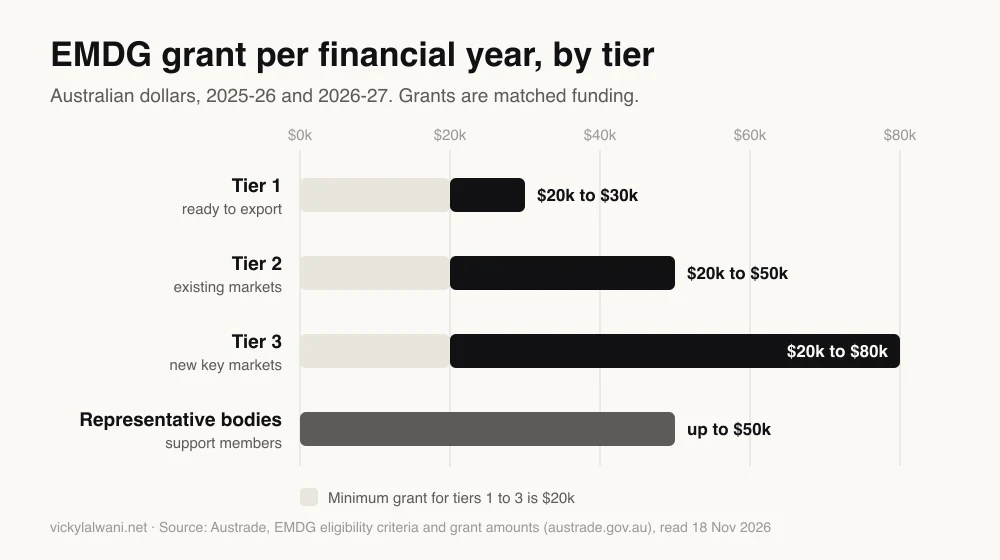
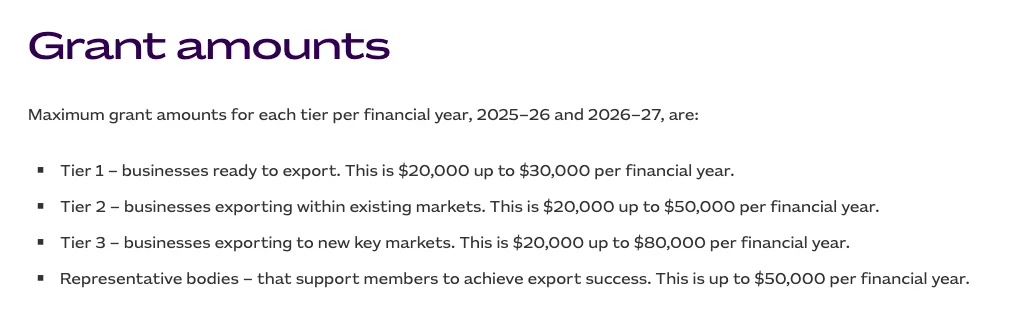
The Export Market Development Grants can reimburse part of eligible export marketing costs for small and medium exporters. For the 2025-26 and 2026-27 years, grants are $20,000 to $30,000 a year for Tier 1, up to $50,000 for Tier 2 and up to $80,000 for Tier 3 (Austrade, EMDG grant amounts). As of November 2026 no round is open, so check Austrade for the next round and which costs count before you plan export campaigns around it.
Which metrics should a manufacturer track?
A manufacturer should track cost per qualified quote, quote-to-order rate and revenue per channel, because clicks and form fills say little about a sale that closes months later.
| Metric | How to work it out | Why it matters |
|---|---|---|
| Cost per qualified quote | Ad spend ÷ qualified quotes | The main measure for bidding and budgets |
| Qualification rate | Qualified quotes ÷ all quote requests | Shows spam, students and poor-fit enquiries |
| Quote-to-order rate | Orders won ÷ quotes sent | Tells you whether the leads are the right kind |
| Cost per order | Ad spend ÷ orders won | Compare with gross margin on a first order |
| Revenue per channel | Won order value by first source in the CRM | Shows which channels deserve more budget |
I report these monthly, because weekly numbers move too much in low-volume industrial accounts. The tracking guide behind this is the full-stack tracking setup.
What manufacturing experience do I bring?
Manufacturing is not a vertical I list from past accounts, and I will not borrow someone else's results. What I bring is close: paid search and SEO across a 35+ account book in the US, UK and Australia, including product brands such as a furniture brand scaled to 10.4x peak monthly ROAS, and my current in-house role leading B2B marketing for four AI and SaaS products, where long sales cycles and CRM-based tracking are everyday work. I work remotely from India with a small delivery team, and rates are published on the pricing page.