By Vicky Lalwani · Updated 12 November 2026
How do real estate agents get listings and leads in the US?
US agents get listings from homeowners who already know and trust them when they decide to sell, and buyer leads from people who find them while browsing Zillow, Realtor.com, Redfin and Google. The portals sell leads back to agents, but the audience is theirs. Your own marketing builds seller leads and buyer relationships you keep.
Almost every transaction still runs through an agent. NAR's 2025 Profile of Home Buyers and Sellers found that 88% of buyers and 91% of sellers used an agent or broker, sellers had stayed a median of 11 years in their home, and first-time buyers fell to a record-low 21% of purchases with a median age of 40 (NAR: 2025 Profile of Home Buyers and Sellers). Two things follow for marketing. Sellers rarely move, so the agent they remember after a decade of neighborhood reach is the one they call. And today's buyers skew older and repeat, which means many buyers are also sellers.
A seller in Charlotte, Phoenix or Columbus usually starts months before they call anyone. They notice which signs go up on their block, whose "just sold" post shows up in their Facebook feed, and who sends a useful neighborhood update. When they get serious they search "realtor near me", "how much is my house worth" or "best real estate agent in [suburb]", read Google and Zillow reviews and interview two or three agents. The one who answered first and showed the clearest local knowledge usually gets the listing agreement.
So an agent's or brokerage's own marketing has four jobs:
- Be found on seller searches. Google Search ads, Local Services Ads and home valuation pages for agent, valuation and "sell my house" searches in your market.
- Win the comparison. A Google Business Profile for every office and agent who qualifies, with genuine reviews and recent sales.
- Reach owners before they search. Meta campaigns run under the housing Special Ad Category, with just-sold posts, market updates and a valuation offer.
- Answer and nurture. Replies within minutes, then text and email sequences, with consent, for owners who are a year away.
What the NAR practice changes mean for buyer-side marketing
Since August 17, 2024, offers of compensation to buyer brokers can't be published on the MLS, and MLS participants working with a buyer need a written agreement before touring a home (NAR settlement FAQs). For marketing, that means buyer-side ads and pages should explain what you do for a buyer, how your written agreement works and how you are paid, plainly and before the first showing request. Buyer consultation pages that answer those questions convert better than "find your dream home" copy, and they set up the conversation the agreement now requires.
How do home builders market new communities in the US?
Home builders market in phases. Before a community opens they build an interest list through Meta and Search on the community name and "new construction homes" plus the city. At grand opening the list gets first access while campaigns book model home tours. After that, budget follows the phases, lots and floor plans that sell slowest, measured on cost per contract.
Search behavior is specific: "new construction homes Charlotte", "new homes Frisco TX", "move-in ready homes Raleigh", "townhomes for sale [suburb]" and the community name itself. Each needs a page with what buyers decide on: floor plans, included features, price from or price range, HOA dues, school assignment, commute times, quick move-in inventory and model home hours. Buyers compare builders as much as homes, so reviews on each model home's Google Business Profile matter.
The launch calendar
- Pre-opening, three to six months out. Meta awareness within driving distance, Search on the community and area terms, one landing page with an interest list form and a few qualifying questions: timing, price band, home type, whether they have a home to sell.
- Grand opening. The interest list gets first access to pricing and lot selection. Search budget increases, Meta moves to lead forms and retargeting, and every lead gets a same-day call from the onsite sales counselor.
- Sell-through. Weekly reporting by phase and floor plan, with budget moved to quick move-in homes and the plans that are slow.
Builders with two or more brands, or one brand across several communities, need separate campaigns, budgets and landing pages for each, so a slow community gets attention without starving the one that is selling. That is the structure I used in past builder work: Meta for awareness, high-intent Search, Local Services Ads, and local SEO, four channels per builder across more than one builder brand. Builder ads selling homes are housing ads, so the same Fair Housing rules and platform restrictions apply as for agents.
Which real estate marketing channels work in the US, and what does each do?
For agents and brokerages, Google Search and Local Services Ads on seller intent, Google Business Profile and reviews, Meta under the housing Special Ad Category and neighborhood pages do most of the work, with portals for buyer traffic. For builders, Search on community and new-construction terms, Meta launch campaigns and retargeting lead. Text and email sit under both, within TCPA consent.
| Channel | Job for agents and brokerages | Job for home builders | What I measure |
|---|---|---|---|
| Google Search ads | Agent, valuation and "sell my house" searches by city and suburb | Community name, "new construction homes", "move-in ready" | Cost per booked listing appointment or tour |
| Local Services Ads | Google Verified agent ads, paid per lead, at the top of results | No home builder category; general contractor is listed | Cost per qualified lead, answer rate |
| Performance Max | Rarely first for agents | Extends reach into Maps, YouTube and Gmail for communities with good tracking | Cost per qualified lead, checked against Search |
| Meta (Facebook, Instagram) | Homeowner reach under the housing Special Ad Category; lead forms with consent wording | Interest lists, grand openings, retargeting | Leads that book, not form fills |
| Google Business Profile | Every office: reviews, photos, calls | Every model home and sales center | Calls, directions, website clicks |
| Neighborhood and valuation pages | Neighborhood guides, home valuation page, IDX listing pages | Community, floor plan and quick move-in pages | Organic seller leads and tour requests |
| Zillow, Realtor.com, Redfin | Listings and paid buyer leads; audience belongs to the portal | New construction listings | Cost per closing from portal leads |
| Text and email | Past clients, sphere, nurture for future sellers | Interest list updates, phase releases | Appointments from older leads |
Google Search and Local Services Ads
For agents, the money is in seller intent: "realtor [city]", "sell my house [suburb]", "home value [neighborhood]" and your brand terms. "Homes for sale in Tampa" is dominated by the portals and is usually poor value for an individual agent. Local Services Ads add a Google Verified agent listing above the normal results, charged per lead rather than per click, and "Real estate agent" is one of the US business-services categories. Real estate agents and brokers in the US can't target Local Services Ads by ZIP code, so service areas are set by city or county (Google Local Services Ads help). Every Search account gets negatives from day one: rentals, jobs, licensing courses, "for sale by owner" and mortgage terms. The Google Ads USA page covers account structure in general.
Meta under the housing Special Ad Category
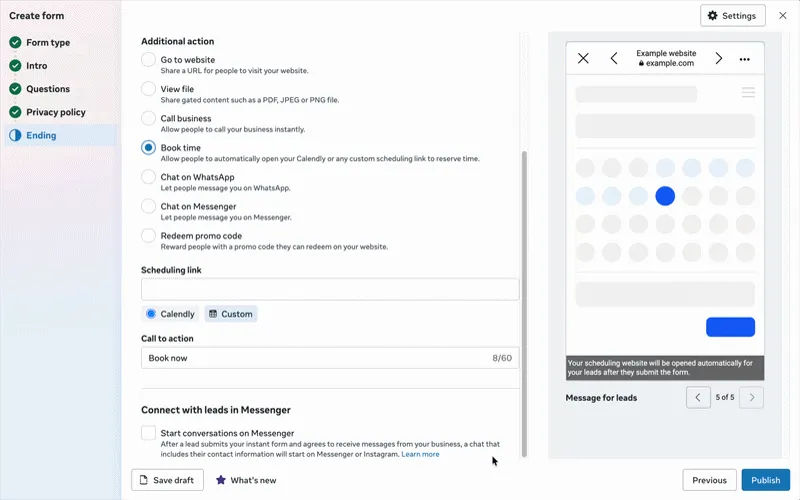
Housing ads in the US run in Meta's Special Ad Category, which removes age, gender and ZIP code targeting and sets a 15-mile minimum radius. That moves the work into creative that self-selects: a just-sold post naming the street, a floor plan with a price band, a "what is your home worth in [suburb]" offer, and instant forms with one or two qualifying questions and clear consent wording. The Meta Ads USA page covers set-up in general.
Neighborhood pages and AI answers
Owners and buyers now ask AI tools "who is the best realtor in [suburb]" or "what are new homes like in [community]". Those tools cite pages that answer specific questions clearly: neighborhood guides with schools, commute and recent sales context, agent pages with license details and real experience, and community pages with floor plans and HOA details. That is the same content that ranks in Google, so I build it once for both, using the GEO USA approach.

How do Fair Housing rules shape real estate ads in the US?
The Fair Housing Act makes it unlawful to publish a housing ad that indicates a preference, limitation or discrimination based on race, color, religion, sex, disability, familial status or national origin. Meta and Google enforce this with restricted targeting for US housing ads, so ad copy, images and audiences all need checking before launch.
HUD's regulation at 24 CFR 100.75 covers written and oral notices and statements, which reaches listings, ads, social posts and landing pages (24 CFR 100.75). The platforms then add their own limits:
- Meta requires US housing ads to run in the Special Ad Category, with no age, gender or ZIP code targeting and a minimum 15-mile radius, and it retired Special Ad Audiences for housing (Meta: expanding our work on ads fairness).
- Google blocks gender, age, parental status, marital status and ZIP code targeting for housing ads in the US; radius, city and broader location targeting remain (Google's personalized advertising policy).
- Local Services Ads don't allow ZIP code targeting for real estate agents and brokers in the US.
| Rule or platform | What is restricted | What still works |
|---|---|---|
| Fair Housing Act and 24 CFR 100.75 | Words, images or targeting that indicate a preference based on a protected class | Describe the home, the area and its amenities, not the ideal buyer |
| Meta housing Special Ad Category | Age, gender and ZIP code targeting; radius under 15 miles; Special Ad Audiences | Broad local radius, strong creative, qualifying instant forms |
| Google housing ads policy | Gender, age, parental status, marital status and ZIP code targeting | Keywords by area and intent, radius and city targeting |
| Local Services Ads | ZIP code targeting for agents and brokers | City and county service areas |
| Copy and images | Explicit limits such as "adults only" or "no children" (outside housing for older persons), images that show only one kind of resident | Plain facts: bedrooms, square footage, school district, commute, park access |
The copy check is where most risk sits. Explicit limits such as "adults only" or "no children" are the classic problems, but softer wording that describes the ideal buyer rather than the home can create the same impression, and so can photos that only ever show one kind of resident. I describe the property and the area, keep images varied, and use the Equal Housing Opportunity statement or logo where the brokerage requires it.
Can you call and text real estate leads in the US?
Yes, with the right consent and process. The TCPA requires prior express written consent for autodialed or prerecorded marketing calls and texts, people can revoke consent by any reasonable means, and the FTC's Telemarketing Sales Rule requires scrubbing against the National Do Not Call Registry at least every 31 days for cold outreach.
Leads from your forms
A website or instant form can capture consent, so every lead form carries clear wording that names your business, says you may call and text about the inquiry, including with automated technology, and that consent isn't a condition of buying. Since April 11, 2025, people can revoke consent by any reasonable means, such as replying "stop", and you must honor it promptly (FCC order DA 25-312). The FCC's one-to-one consent rule, which would have required consent to name one seller at a time, never took effect: the Eleventh Circuit vacated it in January 2025. Bought leads from lead generators are where consent problems usually start, so I check how any purchased lead's consent was captured before it enters a text sequence.
Cold calls to homeowners
Prospecting calls to expired listings, FSBOs and circle-prospecting lists are telemarketing. The FTC says sellers and telemarketers must remove numbers on the National Do Not Call Registry from call lists at least every 31 days, may call people with an established business relationship for 18 months after a transaction or three months after an inquiry unless they have asked not to be called, and must call only between 8 a.m. and 9 p.m. local time (FTC: complying with the Telemarketing Sales Rule). Keep your own internal do-not-call list too. State rules can be stricter, so I check the states you call into.
How fast should you respond to a real estate lead?
Within minutes, including evenings and weekends. A homeowner who requests a valuation, or a buyer who asks about a model home, is usually contacting two or three agents or builders at once. The first useful reply often wins the appointment, and a lead that waits until Monday has often booked with someone else.
The system matters more than effort: an instant text and email naming the agent, a call attempt within five minutes during working hours, round-robin or territory routing in the CRM with an alert if nobody picks up, and after-hours cover through an answering service or an AI receptionist that qualifies and books, with a human path for anything complex. Portal leads need the same speed; a slow reply to a paid Zillow or Realtor.com lead is money spent twice. I size the cost of missed calls in speed to lead in real estate and the after-hours side in after-hours lead response.
How I run real estate marketing for US agents, brokerages and builders
I start with what a closing or a contract is worth to you, audit which lead sources actually close, fix consent, tracking and follow-up before any spend, launch Google Search and Local Services Ads on seller or new-construction intent first, then add Meta and owned pages, and move budget weekly toward the sources producing appointments and closings.
- Free strategy call in your US working day: your markets, price points, team or brokerage structure, and what a closing is worth.
- Lead source audit. Which portals, ads, referrals, sphere and organic sources turned into appointments and closings over the last year, and what each cost.
- Rules check. Fair Housing review of copy and images, Special Ad Category set-up, TCPA consent wording on every form, Do Not Call process for prospecting, and buyer agreement wording on buyer pages.
- Follow-up first. Instant replies, CRM routing, call targets, after-hours cover and opt-out handling, live before spend.
- Search and Local Services Ads. Seller or community campaigns by city, with Google Verified screening for agents.
- Meta and retargeting. Homeowner reach or grand-opening demand, tested in small creative sets with qualifying instant forms.
- Owned pages. Home valuation, neighborhood, buyer consultation, community and floor plan pages built for Google and AI answers.
- Weekly reporting in USD. Leads, appointments, listings or contracts, closings and the cost of each, by channel, market and brand.
I lead the strategy and I am your contact. A small team handles delivery, remotely from India, through your US working day.
What does real estate marketing cost in the US, and what should you budget?
Cost depends on what a closing or contract is worth, how competitive your metro is, how many markets, offices or communities you cover, and how many leads your team can follow up. There is no minimum ad budget. I build the budget from your numbers and quote my own work after a free call, with ad spend in your own accounts.
Budget backwards from closings. Take the extra closings you want, divide by your appointment-to-closing rate to get the appointments you need, divide again by the share of leads that book an appointment, and you have the leads to buy. The first four to six weeks of data then tell you what a lead costs in your market.
The main cost drivers:
- Metro competition. Agent and new-construction terms in large, fast-growing metros usually cost more per click and per lead than smaller markets.
- Restricted targeting. The housing Special Ad Category means broader audiences, so creative and qualifying questions carry more of the load.
- Number of markets and brands. Each city, office, brand or community needs enough budget to produce data on its own.
- Portal spend. Pay-per-lead or referral-fee portal programs often sit beside your own marketing; I compare them on cost per closing, not per lead.
- Lead-to-close time. Seller leads can take months to list, so judge early results on appointments and pipeline, not closings alone.
- Sales capacity. Budget beyond what agents or sales counselors can call back is wasted.
Ad spend stays in your own Google and Meta accounts, billed in USD by the platforms directly.
Which real estate KPIs should US agents and builders track?
Track the numbers closest to money: cost per listing appointment and cost per closing for agents, cost per model home tour and cost per contract for builders, and speed to lead for both. Cost per lead is only an early signal, because cheap leads that never book are the most expensive line in the account.
| KPI | Formula | What good looks like |
|---|---|---|
| Cost per lead | Ad spend ÷ new leads | Stable while the booking rate holds |
| Appointment rate | Appointments set ÷ leads | Rising as follow-up improves; the first number to fix |
| Cost per listing appointment | Ad spend ÷ seller appointments held | The main weekly number for listing agents |
| Cost per tour | Ad spend ÷ model home or buyer tours | The main weekly number for builders and buyer agents |
| Cost per closing | Ad spend ÷ closings from paid sources | Comfortably below the commission a closing earns |
| Cost per contract | Ad spend ÷ new home contracts | Below the margin a home carries |
| Speed to lead | Median minutes from form to first human contact | Minutes, including evenings and weekends |
| Portal cost per closing | (Portal fees + referral fees) ÷ closings from portal leads | Compared directly with your own channels |
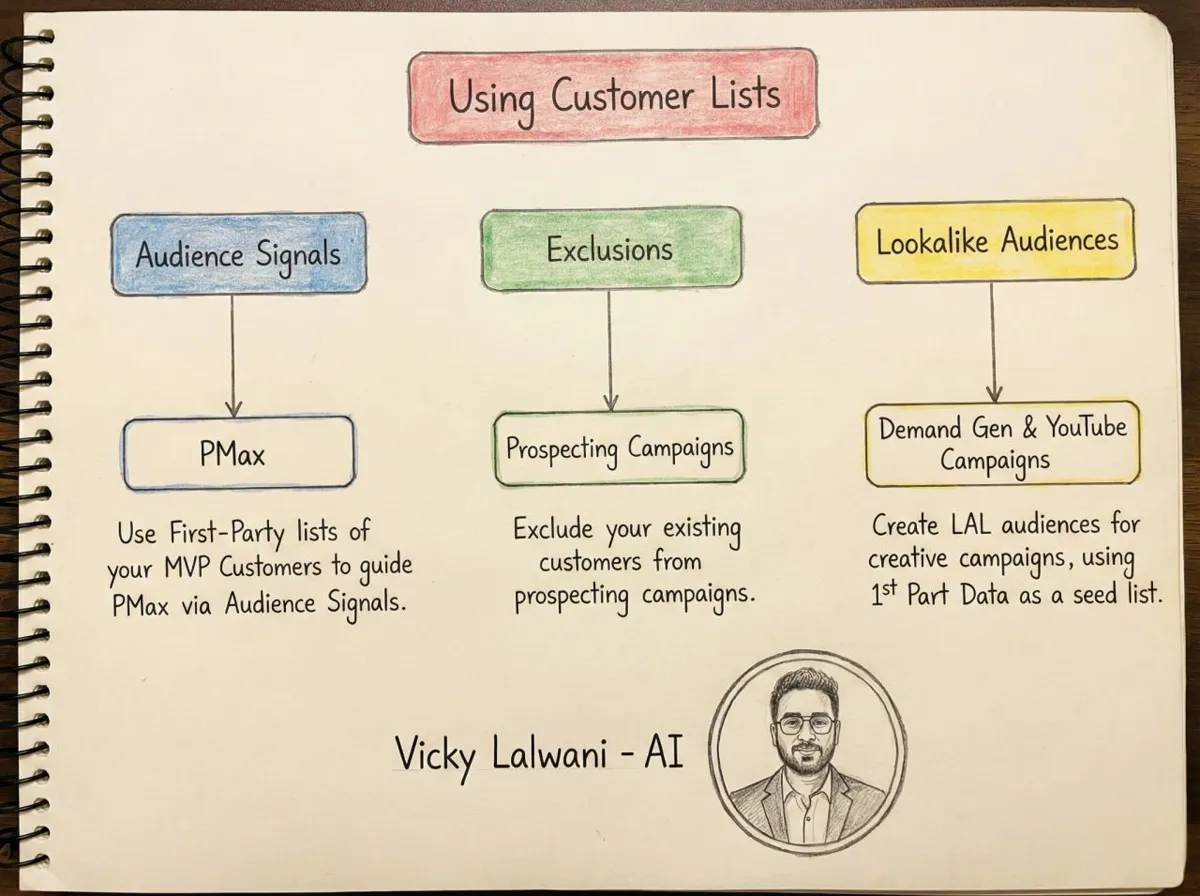
Two habits make these numbers trustworthy. The CRM records the source and stage of every lead, so a closing in August traces back to the ad in March. And appointments and closings are sent back to Google and Meta as offline conversions, so bidding learns from deals rather than form fills. The Customer Match and offline data guide covers the Google side, and the tracking setup guide covers the rest.
What mistakes do I see in US real estate accounts?
The mistakes I see most often are running housing ads outside Meta's Special Ad Category, copy that signals a preferred buyer, buying "homes for sale" clicks the portals win, lead forms without TCPA consent wording, judging campaigns on cost per lead, and slow replies to leads the agent paid for.
- Wrong campaign category. Housing ads run as ordinary ads get rejected, and repeated violations put the ad account at risk.
- Preference language. Copy that describes the buyer instead of the home, or images that show only one kind of resident, can indicate a preference under the Fair Housing Act.
- Buyer clicks for a solo agent. Portal-dominated searches are expensive; seller intent is where an agent's budget belongs.
- No consent wording. Texting form leads without prior express written consent, or ignoring "stop", is how TCPA problems start.
- Unscrubbed prospecting lists. Cold calls to numbers on the National Do Not Call Registry without an exemption.
- Fake or gated reviews. The FTC's Consumer Reviews and Testimonials Rule bans fake reviews, and Google bans incentives and selective requests.
- No offline conversions. Google and Meta optimize for form fills because nobody tells them which leads listed or closed.
- Builders spreading budget evenly. Every community gets the same spend regardless of which phases are slow.
What real estate and home builder work have I done?
I have run full-funnel campaigns for home builders and real estate groups: Meta awareness with high-intent Search and Local Services Ads, plus local SEO, four channels per builder across more than one builder brand, owned from first impression to signed deal. That sat inside a 35+ account book across the US, UK and Australia.
For nearly three years I was Head of Digital Marketing for a US agency, running performance marketing and SEO across 35+ accounts with $50K to $80K a month in budgets, and I have managed more than $1.3M a year in ad spend in total. It was a multi-vertical book, and across it restructured campaigns, targeting and tracking delivered 30 to 40% lead growth, 20 to 30% conversion lift and 25 to 30% organic traffic growth.
Three other parts of that work carry straight over:
- Local lead engines. Always-on Local Services Ads and Performance Max for plumbing, construction and gutter businesses across 5+ service brands, with 24/7 lead capture, and Search, Local Services Ads and Meta for multi-location law firms across two metro markets per firm.
- Content at scale. 100+ articles and Google Business posts a month across 11+ sites, which is how neighborhood and community pages get written and kept fresh.
- AI systems. A 19-agent AI marketing stack that handles reporting, audits and research alongside three people, so weekly numbers by market and community are routine.
Client names stay private, and I don't publish real estate cost per lead figures, because I won't quote numbers I can't show you in context. I'm happy to walk you through how past builder accounts were structured on a call.