By Vicky Lalwani · Updated 12 November 2026
How do Americans choose a clinic or practice?
Most Americans choose a practice by searching the service, the insurance and the place, such as "physical therapist near me", "pediatric speech therapy near me", "therapist that takes Aetna" or "hearing aids Phoenix", then shortlisting from the map results, the ads, directories and AI answers.
Before booking, they check whether you are in network, reviews, the provider, and how soon they can be seen.
Insurance is the filter that most marketing ignores. A patient who finds out on the phone that you are out of network is a paid click that never books. So each service page says which plans you accept, whether you see self-pay patients and what self-pay costs, whether a referral or prior authorization is needed, and how to book. Patients also arrive from directories such as Zocdoc, Healthgrades and Psychology Today, and from employer and insurer provider search tools, so your details have to match everywhere.
Specialty changes the patient, too:
- Mental health and therapy. Patients often prefer to book online without calling, check telehealth options and read provider bios and specialties closely.
- Spine and musculoskeletal. Pain-led, local and urgent; same-week availability and a clear path for patients without a referral win.
- Pediatric practices. Parents search on a phone after work and want wait times, evaluations and insurance coverage up front.
- Hearing and audiology. Often researched by adult children for a parent; hearing aid pricing, financing, and a phone that is answered matter.
- Multi-location groups. Patients search the brand plus their city or neighborhood, so every location needs its own page and profile.
Dental has its own page, dental marketing USA, so this page covers medical, behavioral and allied health practices.
Which privacy rules apply: HIPAA, the FTC or state law?
It depends on what you are. A practice that bills insurance electronically is usually a HIPAA covered entity, and HIPAA governs its patient data, including what tracking tags can collect. A health app or service outside HIPAA answers to the FTC's Health Breach Notification Rule.
And state laws such as Washington's My Health My Data Act add consent rules of their own.
| Rule | Who it covers | What it changes in marketing |
|---|---|---|
| HIPAA Privacy Rule | Covered practices and their business associates | Most marketing uses of PHI need written authorization; vendors handling PHI need a BAA |
| HHS guidance on tracking technologies | Covered practices using pixels, analytics and session replay | No PHI to tracking vendors without a BAA or authorization, especially on portals and logged-in pages |
| FTC Health Breach Notification Rule | Health apps and personal health records outside HIPAA | Sharing health data with advertisers without authorization can be a reportable breach |
| Washington My Health My Data Act | Entities handling consumer health data of Washington residents, outside HIPAA | Consent before collecting or sharing; consumers can sue |
| FTC Act and Health Products Compliance Guidance | Every health advertiser | Health claims need competent and reliable scientific evidence |
| FTC rule on reviews and testimonials | Every business that uses reviews | No fake reviews and no suppressing negative ones |
HIPAA and tracking tags
Under HIPAA, most uses of protected health information for marketing need the patient's written authorization (45 CFR 164.508(a)(3)), and any vendor that creates, receives or transmits PHI for you is a business associate that needs a business associate agreement. HHS's guidance on online tracking technologies says sending PHI to tracking vendors without that footing is a problem. In June 2024 a federal court in Texas vacated the part of that guidance treating an IP address plus a visit to a public, unauthenticated page about a health condition as PHI, and HHS later dropped its appeal. Tracking on patient portals, logged-in pages and apps, and anything that ties a visit to a person's own care, such as a booking form, is still the risk.
The usual answer is simpler than a legal debate: keep PHI out of ad and analytics tools altogether. Google says it does not offer a BAA for Google Analytics and tells HIPAA-regulated customers not to send it PHI. So the tracking counts a booking as an event with no name, condition, service detail or form answers attached.
The FTC and state health-data laws
If you run a health app, a wellness platform or a direct-to-consumer service that isn't a HIPAA covered entity, the FTC's Health Breach Notification Rule applies instead. Its 2024 amendments, in effect since July 29, 2024, make clear that an unauthorized disclosure, including sharing health data with advertisers without authorization, is a breach that must be notified; GoodRx paid a $1.5 million civil penalty in the first case under the rule. Washington's My Health My Data Act goes further for consumer health data outside HIPAA, requiring consent before collection or sharing and letting consumers sue. Other states are adding their own rules, so I check where your patients are, not just where you are.
What can US healthcare ads claim?
Health claims in US ads need competent and reliable scientific evidence, which for most treatment-outcome claims means good human clinical studies. The FTC enforces that standard for every health advertiser, state medical boards regulate how physicians describe themselves, and the FTC's 2024 rule bans fake reviews and suppressing negative ones.
Say what you offer and who delivers it, and prove anything else.
The FTC's Health Products Compliance Guidance sets the evidence bar: claims about health benefits generally need competent and reliable scientific evidence, usually randomized, controlled human clinical testing, sufficient in quality and quantity. In practice that rules out "cures", "permanent relief", "guaranteed results" and most "best" claims in ad copy. What works instead: the service, the provider's credentials, availability, insurance accepted, and specific, verifiable facts about the practice.
State medical boards set rules on titles and advertising, and they differ. In Texas, for example, the Medical Board's rule lets physicians advertise as "board certified" only if certified by a member board of the ABMS, the AOA's Bureau of Osteopathic Specialists, the American Board of Oral and Maxillofacial Surgery or another board the Texas Medical Board has approved. Physical therapists, psychologists and other licensed professionals have their own state boards, so I check the board rules for each license on the team before writing provider pages.
Reviews have a federal rule now. The FTC's Trade Regulation Rule on the Use of Consumer Reviews and Testimonials, effective October 21, 2024, bans fake reviews and bans suppressing negative reviews through threats or intimidation, and bans displaying reviews as if they represent all or most of them when negative ones have been suppressed. Google's own review policy also bans incentives and asking only satisfied patients. So review requests go to every patient the same way, with no PHI in the message.
What do Google and Meta require from healthcare advertisers?
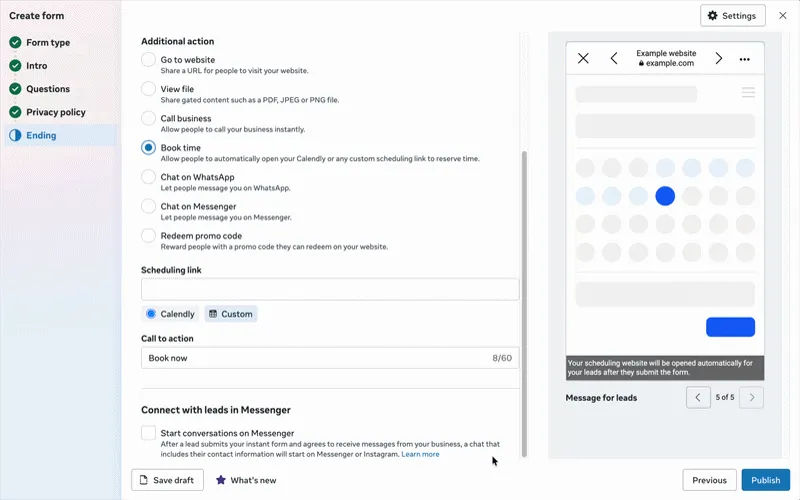
Google requires LegitScript certification and its own certification before addiction treatment services, telehealth providers and online pharmacies can advertise, and it treats health as a sensitive category, so practices can't use their own remarketing or customer lists for health ads.
Meta requires LegitScript and its own authorization for prescription drug ads, and it can restrict the conversion events health advertisers send.
- Telehealth. Google's healthcare and medicines policy allows telemedicine providers accredited by LegitScript's Healthcare Merchant Certification program, plus Google certification.
- Addiction services. Providers must be certified as an addiction services provider by LegitScript and hold Google certification, and not every provider is eligible.
- Online pharmacies. Allowed if accredited by LegitScript or NABP, plus Google certification.
- Experimental treatments. Speculative and experimental treatments can't be promoted; FDA licensed or approved cell or gene therapies can be, by the license holder.
- Audiences. Health is a sensitive interest category in personalized advertising, so advertiser-curated audiences such as remarketing lists and Customer Match aren't available for those ads. Search intent and Google's own audiences are.
Meta
- Prescription drugs. Meta's drugs and pharmaceuticals policy requires online pharmacies and telehealth providers to be actively certified by LegitScript and to request Meta's authorization before advertising prescription drugs, aimed at people 18 and over. General telehealth ads that don't promote prescription drugs don't need that permission.
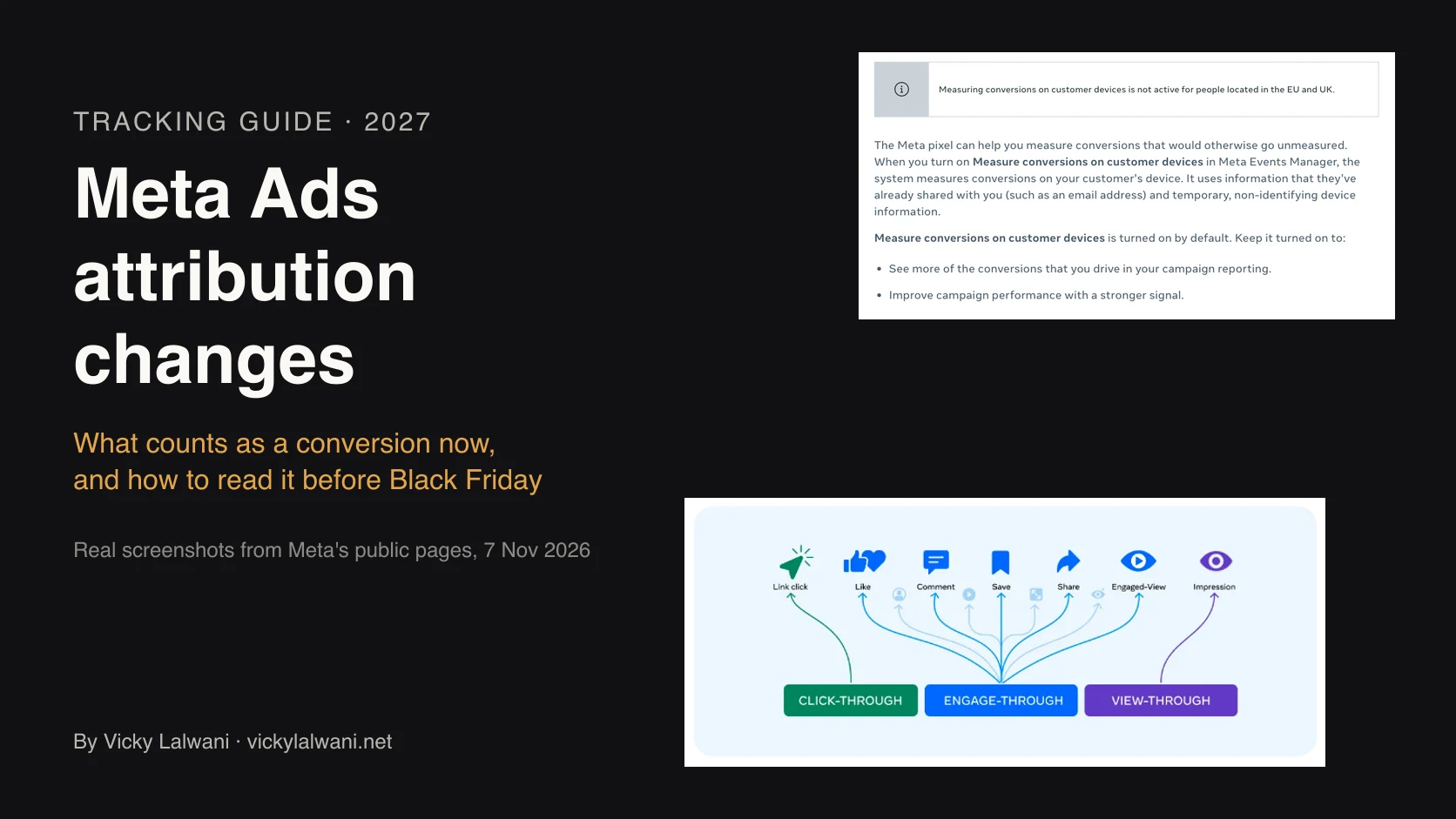
- Health data restrictions. Meta classifies some websites and apps as health and wellness and restricts the events and audiences it accepts from them, often the lower-funnel ones such as bookings. Events Manager shows how your data source is classified and lets you request a review.
Meta still works for practices, mainly for awareness of a new location or provider, community events and reactivation. It rarely works as the main source of first bookings for a clinic once those restrictions apply, so I plan it around the events Meta still accepts and measure bookings in your own systems.

How do you track bookings without sending PHI to ad platforms?
Count the booking, not the patient or the reason. Fire one neutral conversion when an appointment is confirmed, send it to Google and Meta with no name, condition, service detail or form answers, keep tags off patient portals and logged-in pages, and sign BAAs with any vendor that does touch PHI.
Then measure show rate and revenue in your own systems.
- Map every booking route. Online scheduling, phone, forms, chat, directories. Scheduling tools often run on another domain or in an iframe, which is why many practices' ad accounts can't see their own bookings.
- Neutral event names. "booking_confirmed" and "qualified_call", never "depression_intake_booked". Event names, page URLs and titles travel to the platforms.
- No tags where PHI lives. Keep advertising tags off patient portals, intake forms, bill-pay pages and anything behind a login.
- Strip URLs and form data. No query strings, no form field values, no condition-specific page paths sent to Google or Meta.
- Calls as qualified calls. Count calls long enough to be a booking conversation from tracked numbers, and use a call-tracking vendor that will sign a BAA if call recordings or transcripts are kept.
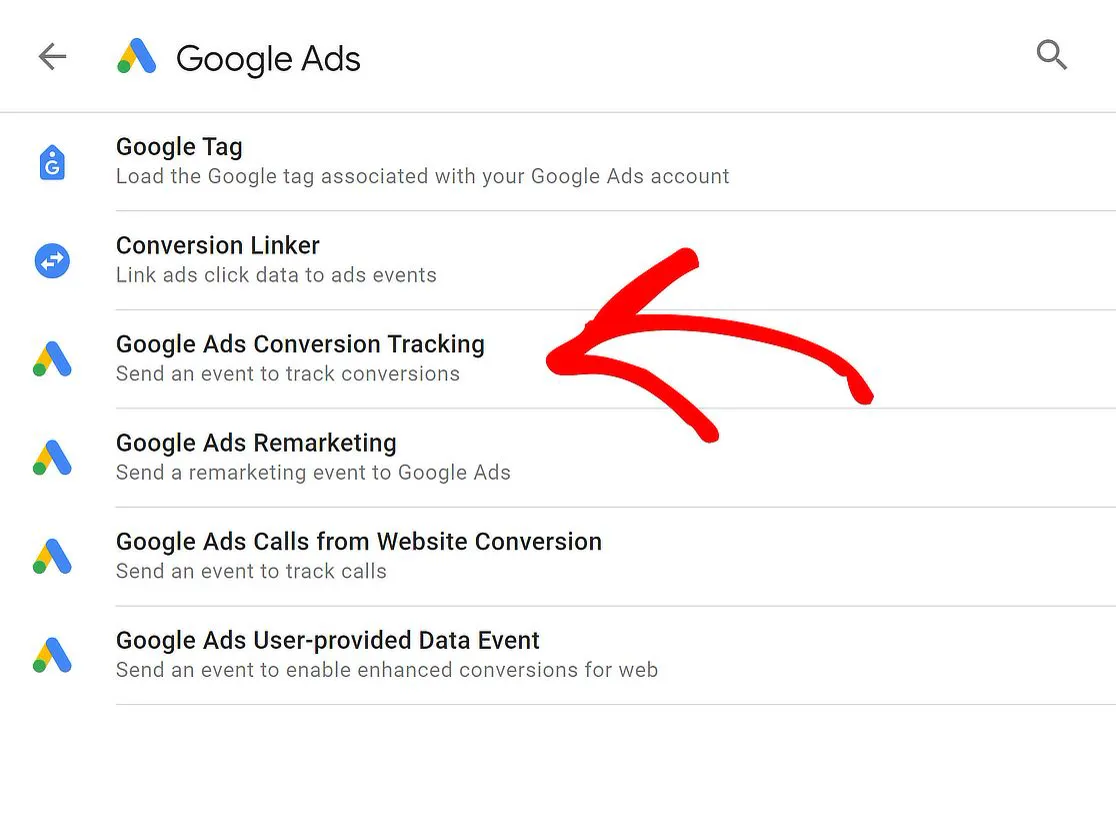
- Be careful with enhanced conversions and offline imports. They send hashed contact details; for a covered practice that is PHI territory and needs a BAA or authorization before it is switched on.
- Reconcile weekly. Compare the platforms' booking counts with the scheduling system, and report on the system's numbers.
The method is on analytics and tracking, and the event map I use is on conversion tracking setup. This is a marketing standard, not legal advice; your privacy officer or counsel should sign off on the final setup.
Which channels work best for US practices?
For most US practices, Google Search ads and Google Business Profile bring the first booked patients, because they meet people searching a service, an insurance plan and a place. Service pages and AI answers lower the cost over time, Performance Max adds reach once tracking is clean, and Meta, email and SMS suit awareness and reactivation.
Google Search ads
One campaign per service line with its own budget and landing page, so evaluations, therapy sessions and hearing aid fittings each have a visible cost per patient. Location targeting follows the drive time patients will actually accept, not the whole metro. Negatives go in on day one: jobs, salary, school, certification, free clinic, Medicaid if you don't accept it, and insurers you are out of network with. The ad says the service, the provider type, insurance accepted and how soon patients can be seen.
Google Business Profile and Maps
One profile per location, with the right primary category, services listed, accurate hours, real photos, insurance information where Google allows it, and a booking link to that location's scheduler. Most "near me" bookings start in the map pack.
SEO and AI answers
One page per service, condition treated, provider and location, each answering insurance, cost, referral, telehealth and booking. That is what ranks, and it is what ChatGPT and Google's AI Overviews cite when someone asks "best pediatric occupational therapist in Plano". The method is on GEO USA.
Performance Max
Extra reach across Maps, YouTube and Display once bookings are tracked properly, with brand terms excluded so it doesn't claim patients already searching your name. It optimizes to whatever you count, so it comes after the tracking fix.
Meta, directories, email and SMS
Meta for awareness and reactivation inside its health rules, run as described on Meta Ads USA. Directories tracked as their own source. Email and SMS reminders and recalls through vendors that sign BAAs where PHI is involved, with no clinical detail in marketing messages.
What should a US practice measure?
Measure cost per booked new patient by service line and location, in USD, then show rate and the value of a new patient after payer mix. Those three tell you whether to spend more. Clicks and leads are early signals only; good means a cost per booked patient below your break-even that holds as budget rises.
| KPI | Formula | What good looks like |
|---|---|---|
| Cost per booked patient | Ad spend ÷ booked new patients | Below break-even and stable as budget grows |
| Cost per attended patient | Ad spend ÷ new patients who attended | Close to cost per booked; a gap means no-shows |
| Booking rate | Booked new patients ÷ new-patient inquiries | Rising after page, insurance and phone fixes |
| In-network rate | Inquiries with an accepted plan ÷ all inquiries | High; low means ads or pages attract the wrong payers |
| Show rate | Attended first visits ÷ booked first visits | Steady; dips point to reminders or long lead times |
| Break-even cost per patient | Average collected revenue per new patient over a set period × margin | The ceiling you bid against |
| Missed-call rate | Unanswered calls ÷ calls in office hours | Low; every missed call from an ad is paid for |
A worked example with round numbers: a therapy service line spends $5,000 in a month and books 100 new patients, so cost per booked patient is $50. If 85 attend, cost per attended patient is about $59. If a new patient brings $900 in collected revenue over their first few months and the practice keeps 35%, break-even is $315, so there is room to raise the budget on that service while the cost per patient holds. These are illustrative numbers, not results.
What does healthcare marketing cost in the US, and what should you budget?
Set the budget by what a new patient is worth after payer mix and the demand in your area, not a fixed figure. The main cost drivers are click prices in your metro, page conversion, the number of locations and service lines, provider capacity, and how fast your front desk answers calls and web inquiries.
- Competition. A therapy practice in Los Angeles or New York competes with national telehealth brands and directories; a hearing clinic in a smaller city may have a handful of competitors.
- Payer mix. The same booked patient is worth very different amounts depending on the plan, so targets differ by service.
- Page conversion. Showing insurance accepted, self-pay prices and the next available appointment usually beats any bid change.
- Response time. Paid inquiries that wait until tomorrow often book elsewhere; I wrote about after-hours lead response for that reason.
- Certification and compliance. LegitScript and Google certification, BAAs with vendors and HIPAA-aware tracking add set-up time for some practices.
- Capacity. Budget should follow the schedule, up when a new provider starts and down when books are full.
There is no minimum ad budget. Ad spend is paid in USD directly to Google or Meta from your own account, and I quote for management after a free call. I usually start with the one to three service lines with capacity and the best value per patient, prove a cost per booked patient there, then widen.
How I run a healthcare engagement for a US practice
I map which rules apply, fix tracking so no PHI reaches the platforms, build service-line campaigns and pages, then report weekly in USD on cost per booked patient. I lead the strategy and I am your contact; a small team handles delivery, remotely from India, through your US working day.
The order matters because every later decision depends on trusting the booking data.
- Free call. Services, locations, payers, provider capacity and what a new patient is worth.
- Rules map. HIPAA or FTC, state health-data laws, state board rules for each license, and any LegitScript or platform certification.
- Audit. Ads, search terms, profiles, pages, scheduling flow and every tag, form and pixel checked for PHI, with a fix list.
- Tracking rebuild. One neutral booking event per route, tags off portals and intake, BAAs in place where a vendor touches PHI.
- Pages and profiles. A page per service with insurance, cost, referral and booking; a complete profile per location; claims checked against the FTC standard.
- Launch. Search campaigns by service and drive-time radius, negatives in place, budgets set against the schedule.
- Weekly optimization. Search terms, budgets between services, ads, and booking rate by page.
- Monthly growth. New service pages, GEO, review requests to every patient, reminders and reactivation.
Common mistakes in US healthcare marketing
The most common are sending PHI to Google or Meta through tags on intake forms and portals, counting every call and form as a patient, running ads to people the practice can't bill, and making outcome claims the FTC standard wouldn't support.
Each one wastes budget or creates legal exposure, and all of them can be fixed before the budget goes up.
- Pixels on intake forms and portals. Form answers, names and condition-specific URLs passed to ad platforms.
- No BAA where one is needed. Call tracking, chat, email and scheduling vendors handling PHI without an agreement.
- Out-of-network clicks. No insurance information on pages, so patients find out on the phone.
- Outcome claims. "Pain-free in three visits" copy with no clinical evidence behind it.
- Board-certified wording. Titles that don't match your state board's rule.
- Running telehealth or addiction ads without certification. Disapprovals and account suspensions follow.
- Whole-metro targeting. Paying for clicks from patients who will never drive across town.
- Review gating. Sending only happy patients to Google, which Google's policy bans.
More on the paid side in finding wasted Google Ads spend.
What healthcare work have I done?
Healthcare is a core vertical for me. I have run patient acquisition for mental health, spine, therapy, pediatric and hearing practices, more than eight practices in all, on Google Ads, Performance Max and Google Business Profile, with tighter targeting, conversion tracking and landing-page work, always measured in booked patients.
Across the clinic accounts, more than 200 patients a month were booking, and the cost per booked patient came in as low as $13.12 in the best week. At one mental-health practice, 206 patients booked in a single month, week by week 46, 57, 43 and 60. I also rebuilt a dental practice's acquisition engine with paid search, AI-powered booking and lifecycle automation: revenue up 57% in 90 days, no-shows down 59%, and 143 appointments booked by AI in the first 90 days.
That sits inside 8+ years in digital marketing, including nearly three years as Head of Digital Marketing for a US agency, running 35+ accounts and $50K to $80K a month in budgets, in a book across the US, UK and Australia where healthcare and dental clinics were among the verticals. Client names stay private.
What I haven't done: I don't list telehealth, addiction treatment, pharmacy, hospital or primary care accounts in my past work, and med spas with injectables are not in my list either; the closest is skincare studios and salons. I know the HIPAA, FTC and LegitScript rules for those services and will tell you on the call where my experience stops.