To reduce Claude token costs, make a mid-tier model your default for routine work, reserve the most capable model for genuinely hard multi-step reasoning, and use effort levels so simple jobs do not consume expensive compute. Matching the model to the task lets the same budget cover far more work.
Every new model launch gets measured on benchmarks. I care about something more practical: my token bill. The quiet story in most launches is not raw power, it is economics. Mid-tier models now get close to top-tier models on a lot of real agentic work at a fraction of the price. If you want to reduce Claude token costs in 2027 without cutting the quality of your output, the answer is routing, not rationing.
The mistake most people make
They run everything on the most expensive model out of habit. That is like taking a private jet to the corner shop. It works, but you are paying for capability the trip never needed. Drafting a routine report, sorting search terms or summarising a meeting rarely needs the strongest reasoning available.
Vendor pricing and model names change often, so I will not quote numbers here. Check Anthropic's current pricing and documentation, and note whether any introductory rates apply and when they end.
A simple model routing workflow
This is the structure I have moved to, and it takes about an hour to set up.
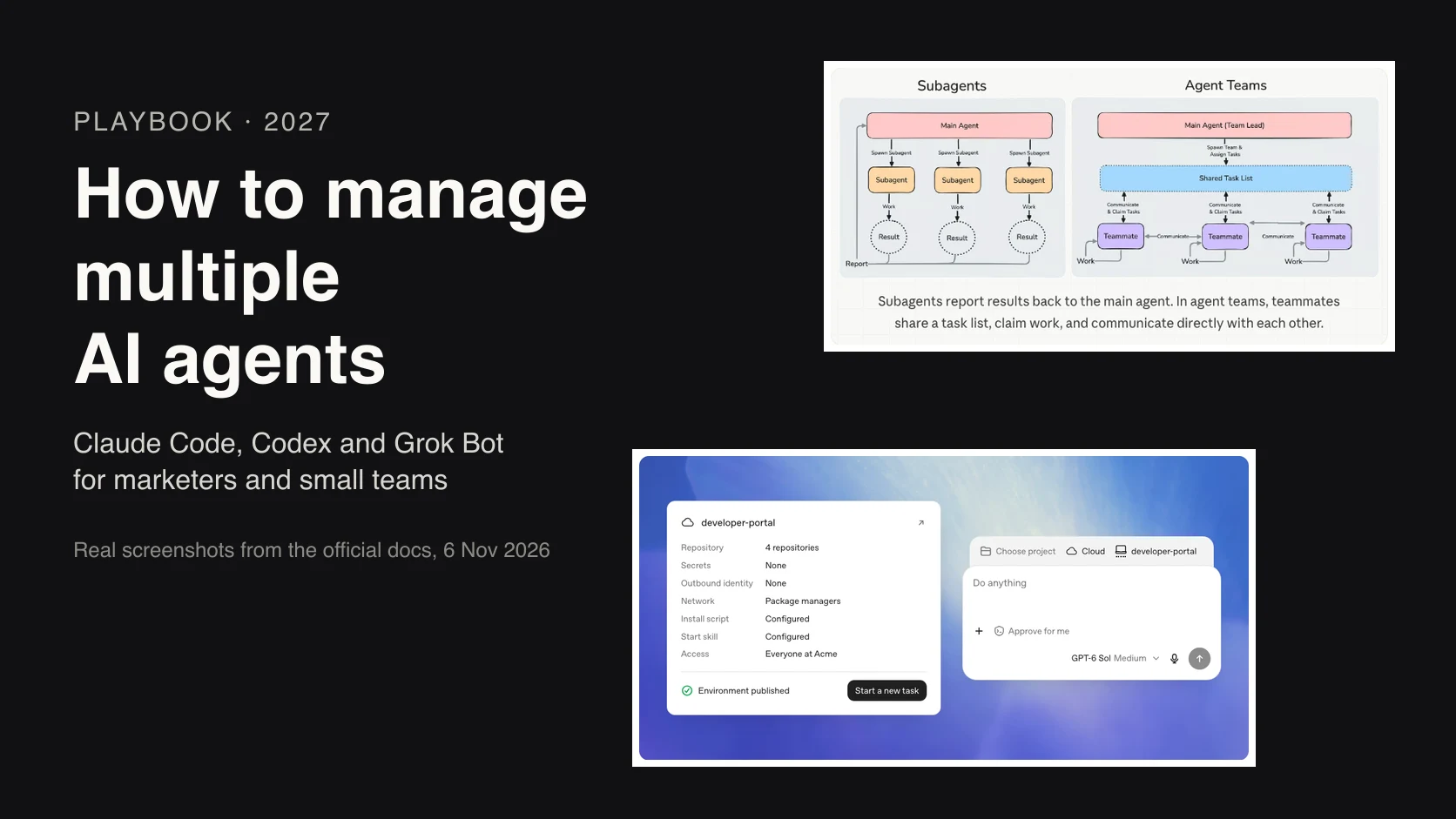
- Default to the mid-tier model. Use it for the bulk of the work: research, first drafts, audits, reporting and most agent tasks.
- Escalate for heavy lifting. Use the top model for long, hard, multi-step reasoning where the extra capability earns its price. In my own work that is a minority of tasks.
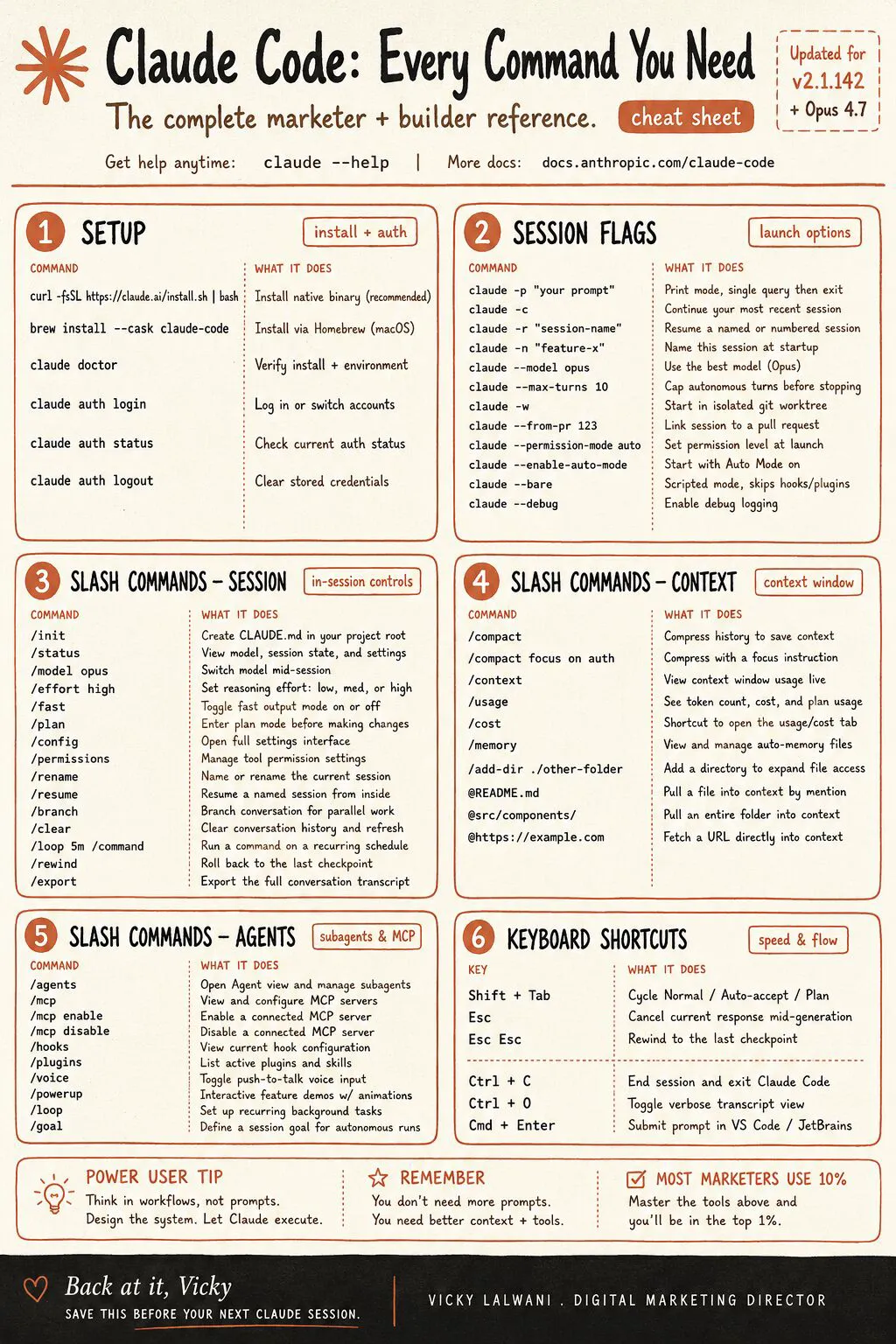
- Use effort as a dial. Low effort for simple jobs, higher effort when the task is complex, so you are never overpaying for compute you do not need.
How to decide which tasks go where
Run a quick test. Take ten tasks you do every week and run each on both models. Score the outputs blind if you can. Where you cannot tell the difference, move the task to the cheaper model. Where the stronger model clearly wins, keep it there and note why. After one round you will have a routing table you can follow without thinking.
- List your repeat tasks. Reports, audits, briefs, drafts, data cleanup.
- Test each on two models. Compare quality, not just speed.
- Record the winner. Put the rule in your project instructions or skill files.
- Recheck quarterly. New models shift the line between tiers.
Other ways to cut spend
Model choice is the biggest lever, but not the only one. Keep reusable instructions short and put stable material first so it can be cached where your tool supports it. Do not paste whole documents when a summary will do. Ask for concise output formats instead of long essays. And stop long conversations from dragging old context along by starting fresh chats for new jobs.
Reduce Claude token costs on agent and scheduled work
Agents and scheduled jobs are where costs creep up, because they run without you watching. Set the default model for every automation to the mid-tier option and require a reason to use anything higher. Cap the effort level for routine jobs. Put a limit on how much material a job may read, and have it summarise before it analyses. Review usage monthly and look for the few jobs that consume most of the spend, because fixing those usually saves more than trimming everything else.
Also check for loops that run more often than the decision they support. A daily report that you read weekly wastes budget. Move it to weekly. Small changes like these add up, and they do not reduce what the team gets from the system.
What matching model to job really gives you
When you match the model to the job, the same monthly budget can do considerably more work. That makes agent workflows, scheduled checks and bigger audits affordable, instead of something you ration. The skill is not using the biggest model. It is knowing which model each task actually needs.
If you want a routing workflow and skill set built for your team, my Claude consultant service covers setup and review. You can also read the free guides for templates and checklists.
Before you plan your 2027 AI budget, run the ten-task test. It is the cheapest experiment you will do this quarter.
This article expands on my post on LinkedIn ↗.
FAQ
Which Claude model should be my default?
For most marketing work, research, drafts, audits and reporting, a mid-tier model is usually enough. Move up only when a task needs deeper reasoning. Check Anthropic's docs for the current lineup.
What are effort levels?
A setting that controls how much reasoning the model applies. Lower effort suits simple tasks, and higher effort suits complex ones, so you only pay for the thinking you need.
How do I know if I am overspending?
If every task runs on your most expensive model by habit, you probably are. Test a cheaper model on your routine tasks and compare the results.